Asphalt Maintenance in The Pacific Northwest
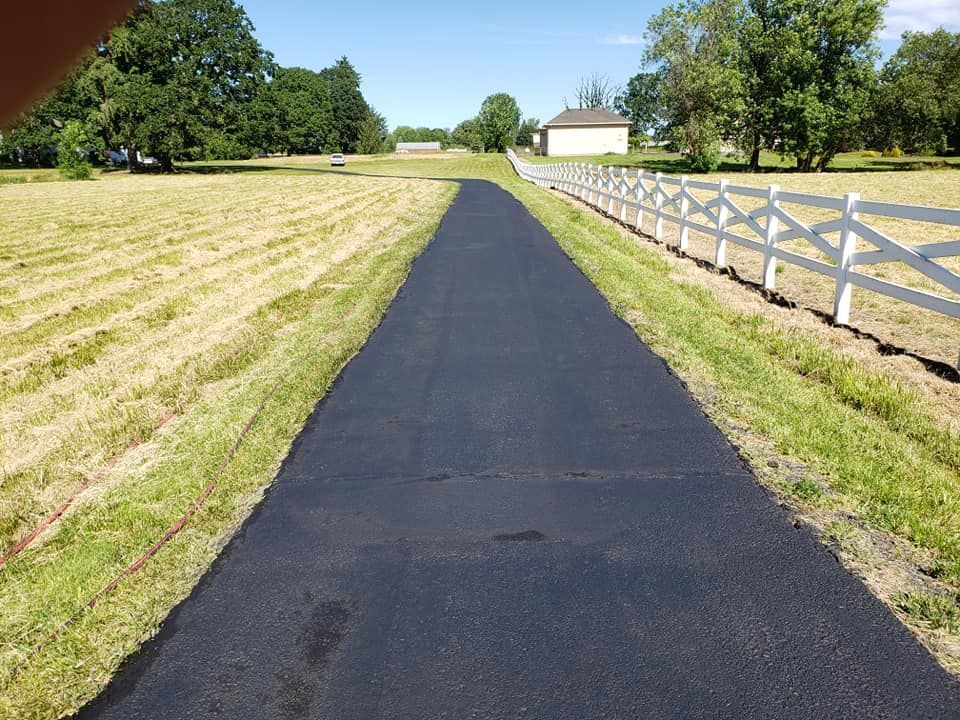
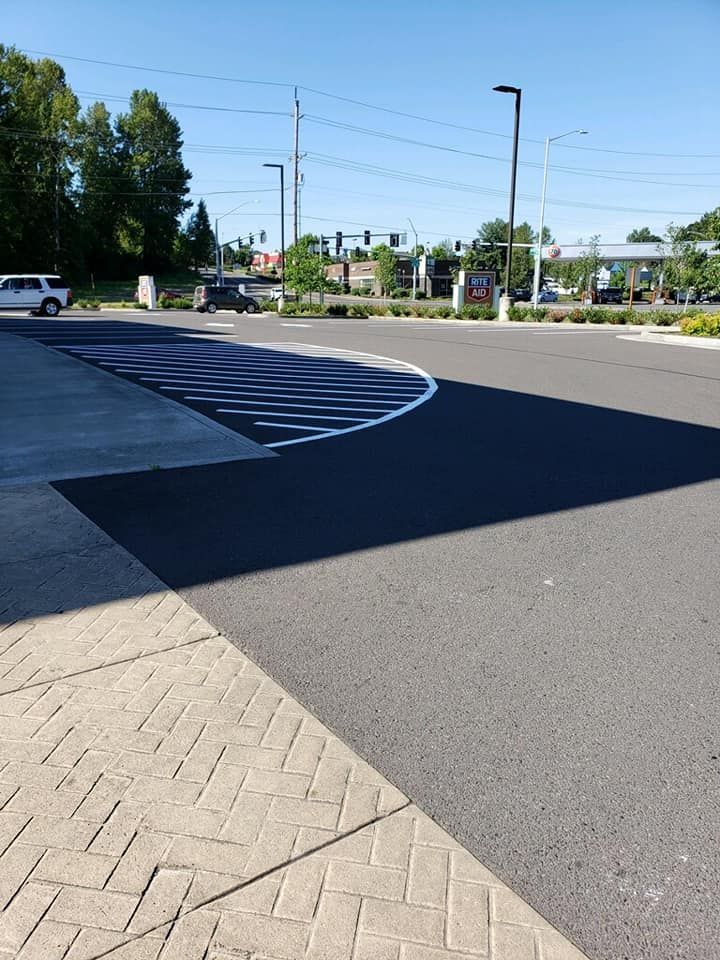
Comprehensive Asphalt Maintenance Preserving Pavement Strength And Long-Term Performance
Asphalt surfaces shape the way communities move, connect, and conduct business every day. Parking lots, driveways, and roadways must withstand constant traffic, heavy rainfall, and seasonal temperature shifts that gradually weaken pavement structure. Without consistent maintenance, small cracks, oxidation, and drainage issues can rapidly expand into costly failures. All Seal approaches asphalt maintenance as long-term infrastructure protection, combining careful surface evaluation, durable materials, and disciplined workmanship.
We serve The Pacific Northwest, where coastal weather, mountain runoff, and urban growth create unique challenges for asphalt surfaces. Our work regularly supports properties throughout Seattle, Portland, Tacoma, and Spokane while also assisting surrounding communities influenced by the region’s wet winters, moss growth, and freeze-thaw stress. Maintaining dependable pavement here requires maintenance strategies designed for moisture control, structural stability, and long-term performance across parking facilities, commercial corridors, distribution yards, residential developments, and high-traffic municipal routes where durability and safety remain essential priorities.
Proactive asphalt maintenance protects more than appearance; it preserves structural integrity, supports safe vehicle movement, and prevents water intrusion from damaging underlying base layers. Our team focuses on preventative care, including crack sealing, protective sealcoating, drainage awareness, and timely surface restoration strategies that slow oxidation and extend service life. Property owners benefit from smoother driving conditions, clearer pavement markings, improved curb appeal, and reduced long-term repair costs because consistent maintenance addresses vulnerabilities before they evolve into disruptive reconstruction projects or liability risks during operations.
Benefits Of Professional Asphalt Maintenance
Slower Pavement Oxidation And Surface Aging
Consistent preventative maintenance slows pavement oxidation by sealing surface pores and shielding asphalt from ultraviolet exposure and moisture infiltration. This protection preserves flexibility, reduces cracking, and delays costly resurfacing while maintaining a darker, cleaner surface that enhances visibility, safety, and property presentation year-round.
Prevents Water Intrusion And Structural Damage
Routine crack sealing prevents rainwater from penetrating pavement layers where freeze-thaw cycles expand damage inside the base structure. Early sealing stops minor fractures from spreading into potholes, protecting structural stability, extending pavement lifespan, and reducing disruptive emergency repairs that interrupt traffic flow and operations.
Improves Driving And Pedestrian Safety
Well-maintained asphalt improves safety for drivers, pedestrians, and cyclists by keeping surfaces smooth, markings visible, and hazards minimized. Regular maintenance removes debris, repairs uneven areas, and refreshes pavement striping, helping vehicles navigate parking areas, loading zones, and roadways with clearer guidance and fewer obstacles.
Extends Overall Pavement Service Life
Preventative asphalt care extends pavement service life by protecting the binder that holds aggregates together. Sealcoating, crack treatment, and minor patching slow deterioration, allowing property owners to postpone full resurfacing projects and allocate maintenance budgets more strategically across long-term facility planning cycles.
Enhances Property Appearance And Professional Image
Maintained asphalt surfaces strengthen property appearance, creating a clean, organized environment that reflects attention to detail. Smooth, dark pavement contrasts clearly with markings, landscaping, and building entrances, helping businesses welcome visitors, guide traffic efficiently, and reinforce a professional first impression.
Reduces Long Term Repair Costs
Scheduled asphalt maintenance reduces long-term expenses by addressing minor defects before they escalate into structural failures. Early treatments require less material, equipment, and labor than major reconstruction projects, allowing organizations to maintain safe, functional pavement while protecting maintenance budgets from sudden repair costs.
Our Asphalt Maintenance Services
Sealcoating Applications
Professional sealcoating applies a protective asphalt emulsion across the pavement surface, forming a barrier against ultraviolet rays, moisture, chemicals, and oxidation. This treatment restores a darker color, improves surface flexibility, and helps prevent premature cracking while extending pavement durability for parking lots, driveways, roadways, plazas, and walkways.
Crack Sealing Solutions
Targeted crack sealing fills linear pavement fractures using flexible rubberized materials that bond with asphalt surfaces. The seal blocks water intrusion, prevents debris infiltration, and stops cracks from widening under traffic pressure or freeze-thaw movement, preserving the structural base and reducing future pothole formation.
Pothole Repair Treatments
Pothole repair removes loose debris, damaged asphalt, and moisture before installing compacted patching material that restores surface strength. Proper compaction creates a stable bond with surrounding pavement, reducing trip hazards, improving driving comfort, and protecting vehicles from impact damage in busy parking areas and roadways.
Asphalt Patching Repairs
Asphalt patching addresses localized pavement failures by cutting damaged sections, removing deteriorated material, and installing fresh hot-mix asphalt. Proper grading and compaction create a seamless transition with surrounding pavement, restoring strength, preventing water infiltration, and stabilizing the area for continued vehicle traffic.
Line Striping Maintenance
Pavement striping maintenance refreshes parking stall lines, directional arrows, crosswalks, and safety markings using durable traffic-grade coatings. Clear markings organize vehicle circulation, improve pedestrian awareness, maximize parking capacity, and support regulatory compliance for commercial centers, schools, healthcare facilities, warehouses, offices, and campuses.
Preventative Pavement Inspection Programs
Preventative pavement inspections evaluate surface wear, drainage conditions, cracking patterns, and traffic stress points. Detailed assessments guide maintenance planning, helping property managers schedule treatments at the right time to reduce deterioration, protect pavement structure, extend service life, and control long-term repair costs.
Reliable Asphalt Maintenance Protecting Surfaces From Gradual Structural Damage
Reliable asphalt infrastructure supports commerce, safety, and mobility throughout The Pacific Northwest, where rain, traffic, and seasonal temperature swings constantly test pavement durability. Thoughtful maintenance protects that infrastructure by sealing vulnerabilities, restoring surface strength, and preventing small defects from growing into disruptive reconstruction projects.
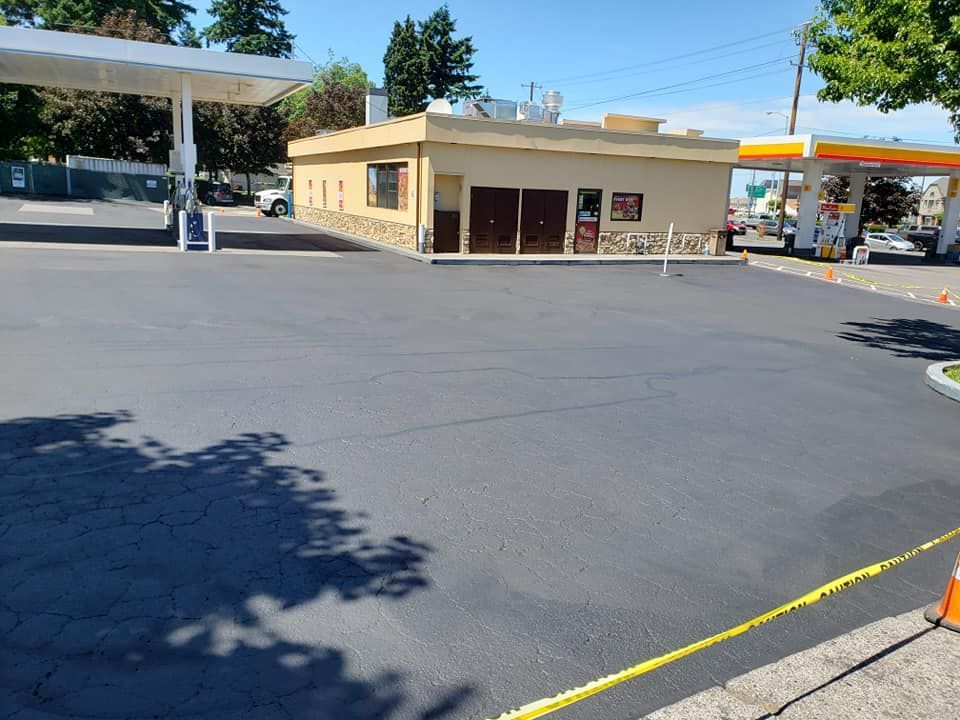
At All Seal, we approach asphalt maintenance with a long-term sense of responsibility, focusing on preventative care, careful evaluation, and durable treatments that extend pavement life across commercial properties, residential communities, distribution facilities, and transportation corridors. Consistent maintenance planning improves safety, appearance, and property value while helping organizations control repair costs and avoid sudden operational disruptions. With experienced workmanship, practical maintenance strategies, and a commitment to pavement longevity, our work protects investments and keeps paved surfaces dependable throughout the region—supporting safer travel, stronger infrastructure, and reliable performance year after year.
Frequently Asked Questions
What causes asphalt surfaces to deteriorate over time?
Asphalt deteriorates due to sunlight oxidation, water penetration, heavy traffic, and seasonal temperature changes. These factors dry the binder, weaken aggregate bonds, and create cracks. Routine maintenance, such as sealing, patching, and proper drainage, slows deterioration and preserves pavement performance, safety, and appearance.
How is asphalt maintenance different from resurfacing?
Asphalt maintenance protects existing pavement through sealcoating, crack sealing, and small repairs that prevent further deterioration. Resurfacing involves installing a new asphalt layer over worn pavement. Maintenance extends surface life, while resurfacing restores structural performance when pavement damage becomes too extensive.
How often should asphalt maintenance be scheduled?
Asphalt maintenance schedules depend on traffic levels and pavement condition. Most parking areas benefit from sealcoating every two to three years, while crack inspections should occur annually. Regular monitoring allows early repairs that prevent larger structural problems and reduce costly reconstruction projects.
Why is drainage important for asphalt longevity?
Proper drainage prevents water from penetrating asphalt surfaces and weakening the underlying base layer. Standing water accelerates cracking, erosion, and freeze-thaw damage. Well-designed grading, drainage channels, and maintenance practices help protect pavement stability and reduce long term structural repair risks.
Can preventative maintenance really extend pavement lifespan?
Preventative asphalt maintenance significantly extends pavement lifespan by addressing small issues early. Crack sealing, sealcoating, and minor repairs protect surfaces from oxidation, water damage, and structural breakdown. Consistent maintenance preserves pavement flexibility and reduces long-term repair expenses for property owners.
How does climate influence asphalt maintenance strategies?
Climate conditions strongly influence asphalt maintenance planning. Regions with heavy rainfall, freeze-thaw cycles, and temperature fluctuations require moisture protection, crack sealing, and drainage management. Maintenance schedules must adapt to environmental stress to preserve pavement durability and prevent rapid deterioration.
What signs indicate asphalt maintenance is needed soon?
Common signs include small cracks, faded pavement color, loose gravel, shallow potholes, standing water, and rough driving surfaces. Early repairs prevent more serious structural damage. Routine inspections help property managers address issues before deterioration spreads and requires costly reconstruction.
Is asphalt maintenance environmentally responsible?
Asphalt maintenance supports environmental sustainability by extending pavement lifespan and reducing the need for full replacement. Sealcoating and patching preserve existing materials, lowering resource consumption, transportation emissions, and landfill waste compared with major reconstruction projects.
What our customers have to say...
Testimonials